Why is my dishwasher not draining after a cycle
Standing water in your dishwasher usually means a clogged filter, blocked drain hose, or failed pump. Here's how to diagnose it in Watertown, MA.
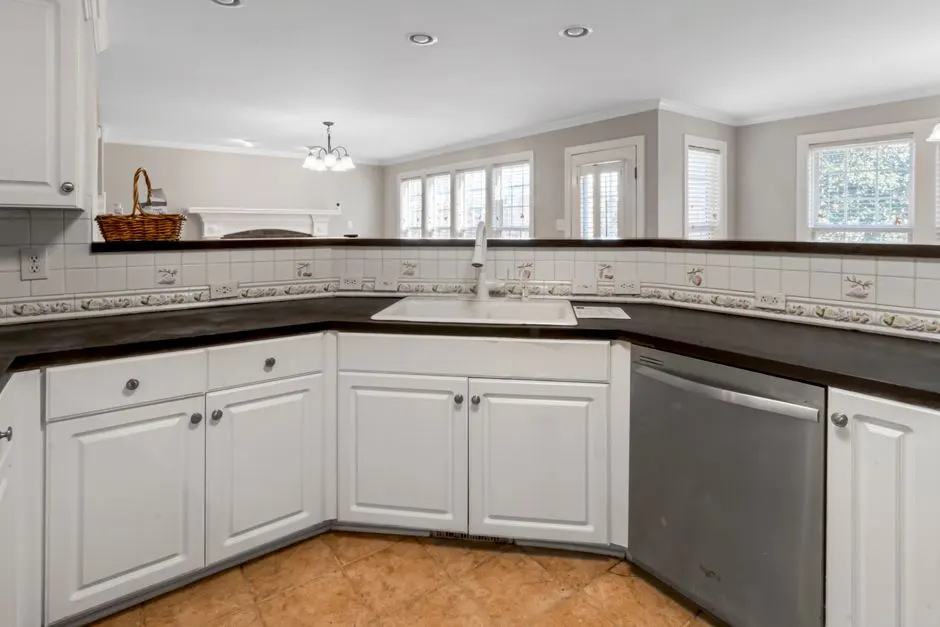
A dishwasher that finishes its cycle with an inch of cloudy water at the bottom is almost always dealing with one of three things: a clogged filter, a blocked drain hose, or a failed drain pump. In most Watertown homes we see, the fix takes under an hour once we know which of those three is the culprit.
Below we walk through the exact checks our technicians run, what each result tells you, and when it makes more sense to hand it off than to keep pulling parts. If you're searching for dishwasher not draining Watertown MA, this is the page you want.
The short answer: why your dishwasher holds water
Dishwasher not draining Watertown MA is a drainage failure that happens when water can't move from the tub to your kitchen sink drain or disposal - and it's one of the most common calls we get from homeowners in 02472 and the surrounding zip codes.
Your dishwasher doesn't have its own drain line to the sewer. It pumps wastewater up through a hose that connects to your sink's drain pipe or garbage disposal. If anything along that path restricts flow - food debris, grease, a kinked hose, a jammed impeller - the water has nowhere to go and sits in the tub until you bail it out by hand.
The unit will still run a full wash and rinse. It just can't complete the final pump-out. That's why you see clean-looking water at the end of a cycle instead of dirty suds. The wash side is fine; the drain side is stuck.
Why is my dishwasher not draining after a cycle in Watertown MA?
In Watertown, the causes split cleanly into two groups: things you can clear yourself in 15 minutes, and things that need a technician with a multimeter and a drain pump on the truck.
Clogged filter and sump (the most common cause)
Every modern dishwasher has a filter basket at the bottom of the tub. It catches food particles so they don't recirculate onto your dishes. When that filter loads up with grease, rice, eggshell, and coffee grounds, water can't pass through fast enough to reach the pump intake.
Pull the lower rack, twist the filter cylinder counterclockwise, and lift it out. If it's coated in a grey film, that's your problem. Rinse it under hot water with a soft brush. Check the sump area underneath for standing debris too.
Blocked or kinked drain hose
The drain hose runs from the pump behind the lower kick panel, loops up under the sink (that high loop prevents dirty sink water from siphoning back into the dishwasher), and connects to the disposal or a tailpiece on the sink drain.
Common failure points:
- A kink behind the cabinet where the hose was pinched during installation
- Grease buildup narrowing the hose interior over years of use
- A disposal knockout plug that was never removed on a new disposal install
- Food debris lodged at the hose-to-disposal connection
If you recently had a new garbage disposal installed and the dishwasher stopped draining the same week, that knockout plug is the first thing to check.
Failed drain pump or impeller jam
The drain pump is a small motor at the bottom of the tub with a plastic impeller that pushes water out. If a piece of glass, a cherry pit, or a bone fragment gets past the filter, it can jam the impeller. You'll hear a humming noise during the drain cycle but no water movement.
Sometimes you can clear the jam by removing the pump cover and pulling the debris out with needle-nose pliers. If the impeller spins freely but the pump still hums without moving water, the motor windings are done and the pump needs to be replaced.
Clogged air gap or disposal inlet
If your sink has an air gap on the counter (a small chrome cylinder next to the faucet), it can clog with grease and food. Water backs up into the dishwasher because it can't vent through the gap. Unscrew the cap, pull the inner cover, and clear any debris.
On the disposal side, the inlet port where the dishwasher hose connects can crust over. With the power off at the breaker, shine a flashlight into the port and scrape it clean.
Control board or float switch issue
Less common but real: the float switch that tells the board water is present can stick, or the control board itself can fail to send voltage to the drain pump. You'll need a multimeter to test for 120V at the pump terminals during the drain cycle. No voltage means the board or the switch is the problem, not the pump.
We see this more often in units over 10 years old, especially in older Watertown homes where voltage sags during peak hours can stress the board over time. If you're also noticing other appliances acting up, it's worth having a technician look at the whole kitchen - our Refrigerator Repair in Watertown, Massachusetts team often catches shared electrical issues on the same visit.
How to fix dishwasher not draining in Watertown Massachusetts
Here's the sequence we run on every call. Work through it in order - each step rules out a cause before you move to the next.
- Kill power at the breaker. Never reach into standing water in a dishwasher with the unit energized.
- Bail out the tub. Use a cup and a towel. You need to see the filter and sump clearly.
- Remove and clean the filter. Hot water, dish soap, soft brush. If it's cracked or warped, replace it.
- Check the sump for debris. Glass, bones, and seeds collect here. Pull anything you find.
- Inspect the drain hose. Trace it from the pump to the sink. Look for kinks, and disconnect it at the disposal end to check for a plug or grease clog.
- Test the air gap if you have one. Clear the cap and inner cylinder.
- Check the disposal inlet port with the power off. Scrape out any crust.
- Run a drain cycle and listen. Humming with no water movement points to a pump or impeller problem.
If steps 1 through 7 don't restore drainage, you're looking at a pump, float switch, or control board - and that's where most homeowners stop. Pulling the pump requires tipping the unit or pulling it from the cabinet, disconnecting the water supply, and dealing with residual water in the lines.
One more thing specific to this area: Watertown's water runs moderately hard, around 8 to 10 grains per gallon. That mineral load accelerates scale buildup inside the drain hose and pump housing. If you're not already running a rinse aid and a monthly dishwasher cleaner, start. It adds years to the pump.
For households in the older triple-deckers near Appliance Repair in Watertown Square, we often find drain hoses that were spliced or extended during a kitchen remodel and now sag enough to trap water. That trapped water grows bacteria and restricts flow. Replacing the hose with a single continuous run fixes it permanently.
Common mistakes that make it worse
We've walked into a lot of kitchens where a homeowner's first attempt turned a $180 repair into a $400 one. Here's what to avoid.
- Running the disposal while the dishwasher drains. This can push food debris backward into the drain hose. Run the disposal first, then start the dishwasher.
- Using too much detergent. Excess suds overwhelm the drain pump and can foam out the air gap. One pod or one tablespoon of powder is enough for a normal load.
- Pouring chemical drain cleaner into the dishwasher. It eats the rubber seals and the pump impeller. Never do this.
- Ignoring a slow drain for months. A partially clogged hose becomes a fully clogged hose. Catch it early.
- Forcing the impeller with a screwdriver. You'll snap the plastic fins. If it won't turn by hand with light pressure, stop.
- Reinstalling the drain hose without the high loop. Without that loop under the sink, dirty sink water siphons back into the dishwasher and you'll be back to standing water within a week.
If you've already tried a few of these and the tub still fills up, it's time to stop guessing. Our Dishwasher Repair in Watertown, Massachusetts team carries drain pumps, hoses, and float switches on every truck, so most repairs are done in one visit.
When to call a professional
Call a professional when you've cleared the filter, checked the hose, verified the disposal inlet, and the dishwasher still holds water. At that point the problem is electrical or mechanical, and DIY work risks damaging the control board or flooding your cabinet.
Specific triggers that mean stop and call:
- The drain pump hums but no water moves (impeller jam or failed motor)
- You see water leaking under the dishwasher during the drain cycle
- The control board shows error codes related to drainage or the float switch
- The unit is over 10 years old and this is the second drain-related failure this year
- You smell burning near the pump or board
Watertown Appliance Repair Pros handles dishwasher drain problems across the city, from the older housing stock near Appliance Repair in North Watertown to the newer builds off Arsenal Street. We diagnose on the first visit, quote a flat price before we start, and carry the common parts so you're not waiting on a second appointment.
If your kitchen has other appliances showing age at the same time, we can look at them on the same trip. It's cheaper than three separate service calls, and we'll tell you honestly which ones are worth repairing and which ones aren't.
Frequently Asked Questions
Why is my dishwasher not draining after a cycle in Watertown MA?
The most common cause is a clogged filter or sump at the bottom of the tub. Food debris and grease block water from reaching the drain pump. Second most common is a blocked or kinked drain hose behind the cabinet. Both are fixable in under an hour.
How do I unclog my dishwasher drain in Watertown?
Kill power at the breaker, bail out the standing water, remove and rinse the filter, then check the sump for debris. Trace the drain hose to the disposal and disconnect it to clear any plug or grease clog. Reassemble and run a drain cycle to test.
Should I call a pro for dishwasher not draining in Watertown MA?
Yes, if you've cleared the filter and hose and it still won't drain. That points to a failed drain pump, stuck float switch, or control board issue. Those repairs need a multimeter and replacement parts, and DIY attempts often damage the board.
What causes dishwasher not draining in Watertown Massachusetts?
Hard water scale, grease buildup, food debris in the filter, a kinked or clogged drain hose, a jammed pump impeller, a clogged air gap, or a failed control board. Watertown's water runs 8 to 10 grains per gallon, so scale is a real factor here.
How much does dishwasher drain repair cost in Watertown in 2026?
Typical 2026 pricing in this area runs $150 to $280 for a filter or hose clearing, and $280 to $450 if the drain pump needs replacement. Control board repairs run higher. We quote a flat price before starting work.
Get help with Appliance Repair in Watertown
Standing water in your dishwasher isn't something you should live with. We diagnose the drain problem, fix it on the first visit in most cases, and test the full cycle before we leave your kitchen.
Call Watertown Appliance Repair Pros at (947) 204-3588 and we'll get your dishwasher draining properly again - usually the same day.